It started with a bag.
Scruffy, soft at the edges, kept for years, on purpose, with pride.
But here's the thing: I'd never met anyone else who did this.
That's the problem
Most of us want to do our bit. We're just not always sure what actually helps, or whether the small things add up to much. So we get on with what we can, quietly, on our own.
I did. For years. Keeping a bag till it wore soft. Pulling a perfectly good chair out of the bin store before it went to landfill. Taking the dead batteries to the supermarket, the empty blister packs and beauty tubes to Boots. Sorting everything, carefully, when no one was watching.
The care was real. But it was invisible. And invisible, after a while, starts to feel lonely.
Then it hit me: I can't be the only one. There must be others out there doing exactly this! Quietly, proudly, on their own. Each one half-assuming nobody else bothers.
We just had no way to find each other.
So I'm building one. A place where the things we keep and rescue can be seen, and where the people who do this can finally recognise each other where “I've never met anyone else who does this”becomes “you too?”
That's all Raggedy Bag is. My scruffy bag, on a wall full of other people's scruffy bags. Each one a small “Same.”
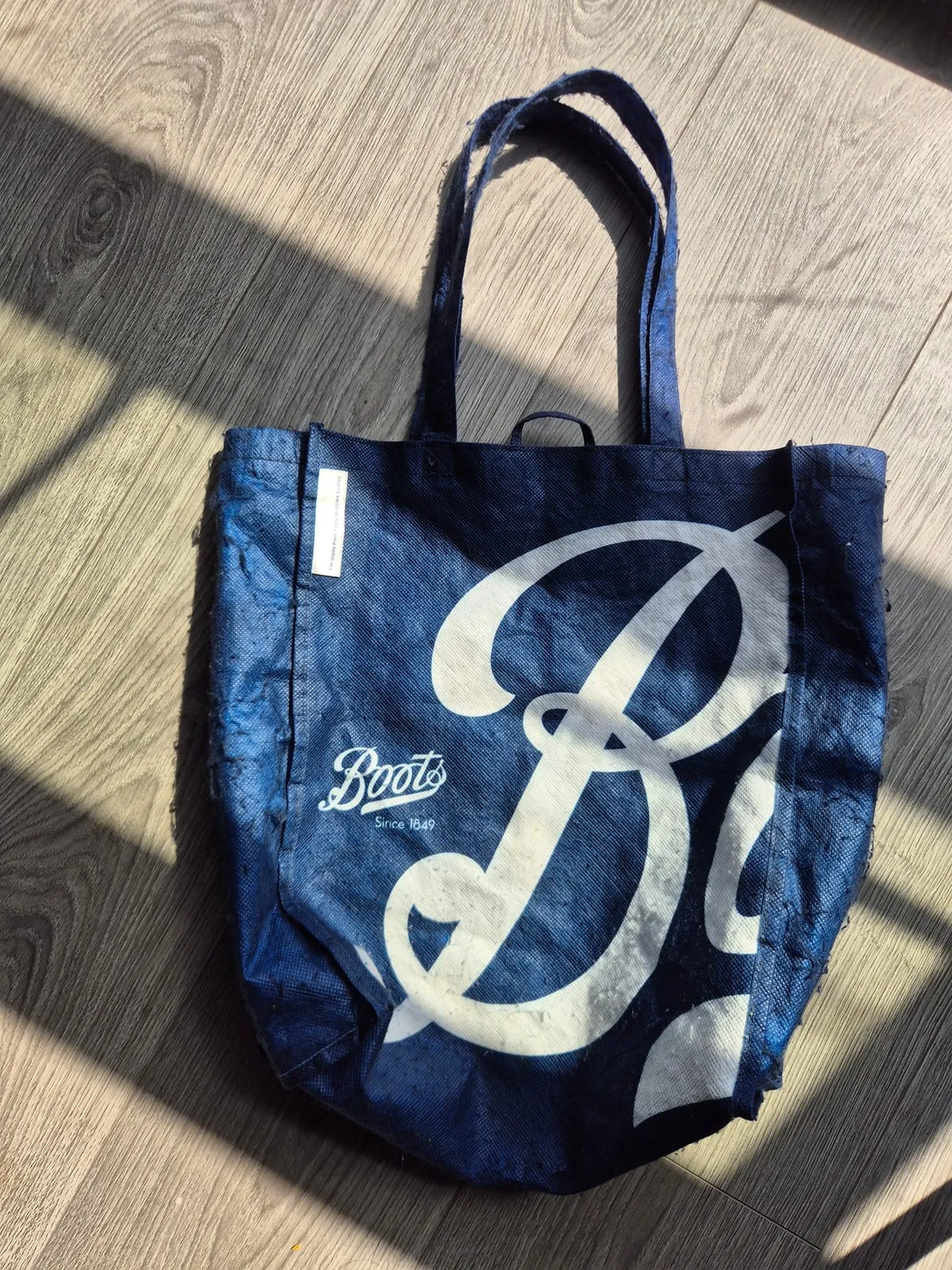
The bag itself — gone soft, still carried on purpose.
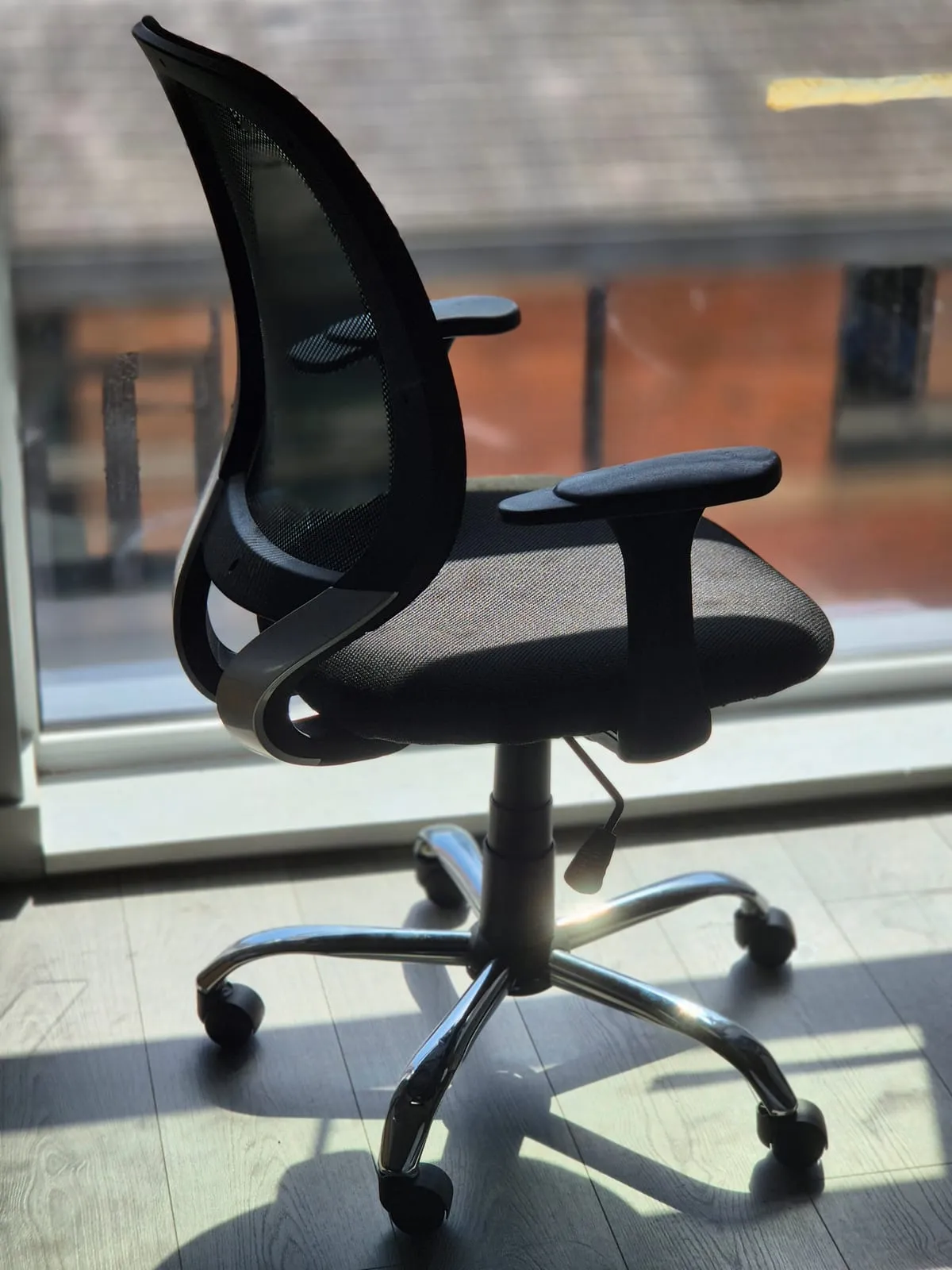
A good chair, lifted from the bin store before landfill.
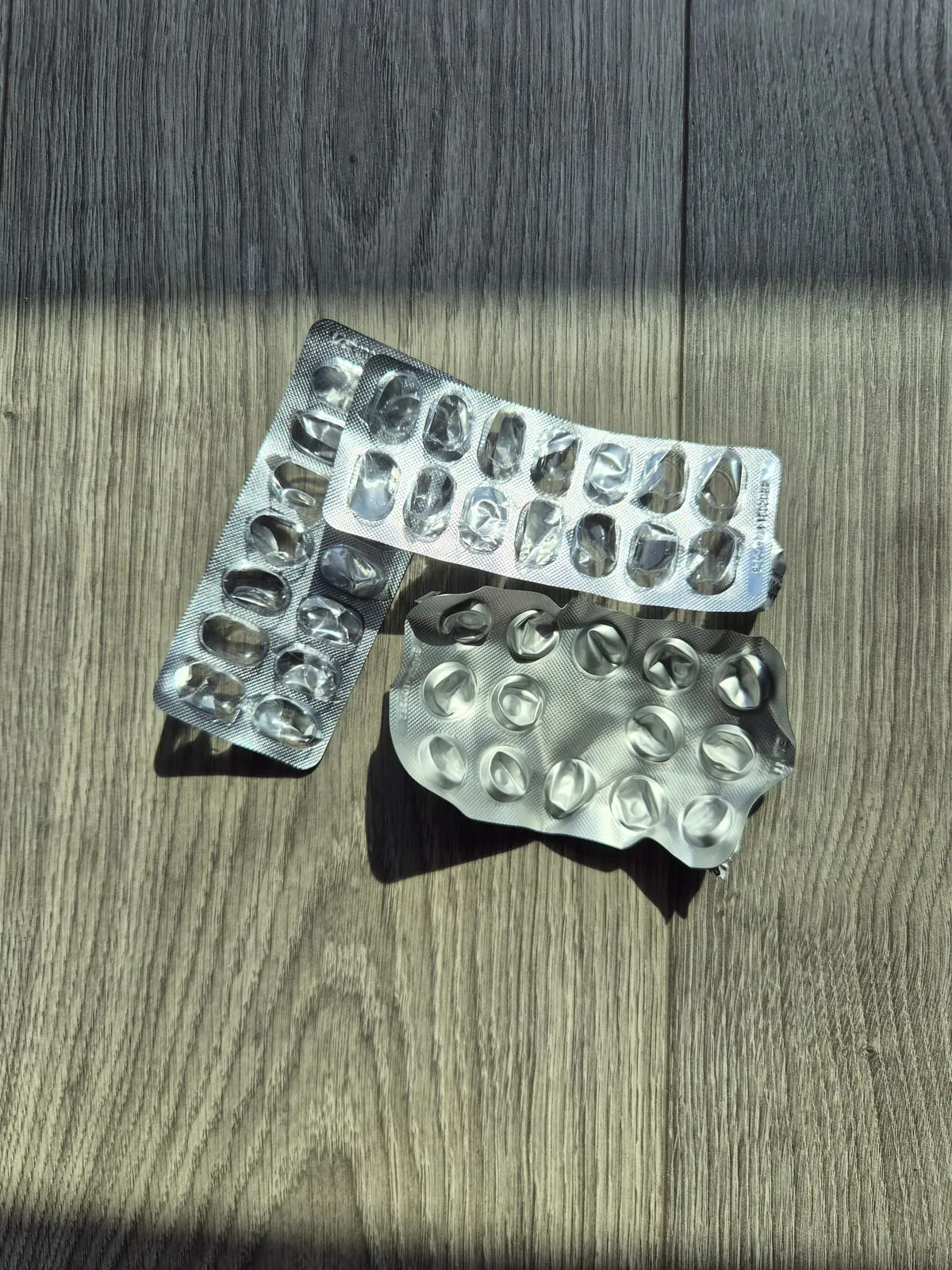
Blister packs and beauty tubes, dropped at Boots on the way past.